 Free Shipping* on all orders over $99
*Bulk goods have different shipping charges
Free Shipping* on all orders over $99

Most of us start cleaning because we want a home that feels calm, safe, and looked after. But sometimes the products that make a home look clean can make the home feel less comfortable to be in.
If you have kids, pets, asthma, allergies, or sensitive skin in the mix, those little reactions can turn into friction. You end up choosing between “clean enough” and “can I breathe in here?” Have you ever cleaned a small bathroom with the door closed and then stepped out like you needed fresh air?
Eco friendly cleaning products exist to take that edge off. They aim to keep your home genuinely clean, while reducing the harsh chemicals, heavy fragrances, and unnecessary extras that can irritate people and pollute the environment. It is less about perfection. It is more about cleaning in a way that fits real life.
At My Health Food Shop, we see this shift happen a lot. People come in looking for a laundry detergent that does not leave skin itchy and a kitchen spray that does not stink out the room.
In this blog, we are going to explain the health benefits of using eco-friendly cleaning products for Australian homes.
Unlike traditional cleaning products, green cleaning solutions are designed to reduce environmental harm while still doing the job properly. That usually means formulas that are biodegradable, use natural ingredients, and create less waste through concentrated refills or more thoughtful packaging. It also often means fewer harsh solvents and fewer extra ingredients that exist mainly for scent, colour, or marketing.
However, eco-friendly on a label is not a guarantee on its own. Some natural cleaning products use green language because it sounds good. That is why a quick label check is important, even if you are shopping in a natural aisle.
If you want a deeper comparison before you shop, read our article Eco-friendly vs conventional cleaning products.
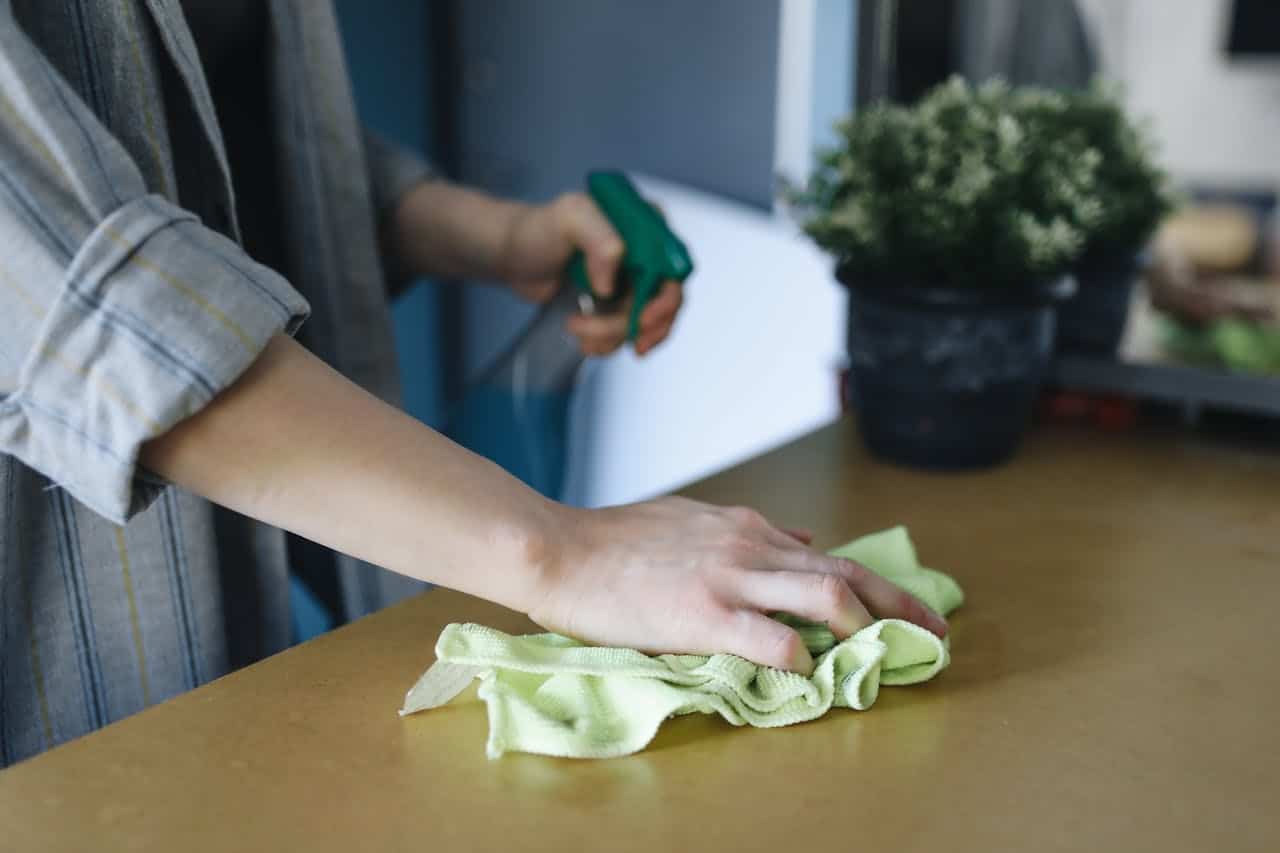
Indoor air quality matters more than most people realise. You can have the windows shut, the heater on, and a “quick clean” happening in the background and the air in that room can end up feeling heavier than the air outside. It is one of those things you notice the moment you step back in.
If you want your home to smell “clean” without that chemical cloud vibe, switching the products you use most often makes a noticeable difference. Start with your everyday bench spray and bathroom cleaner, then build out your cupboard with eco friendly home cleaning products and the eco cleaning essentials you reach for every week.
For many families, the problem is not cleaning. It is what happens while you clean. Strong smells, pollution, respiratory issues, fumes, and fine mist sprays can irritate the airways, which is why asthma organisations list household chemicals and strong scents as common triggers for a lot of people.
This shows up in a very predictable way. You spray, wipe, breathe it in, then you feel tightness, coughing, or that scratchy throat that makes you want to step outside for air. Research also links frequent use of household cleaning sprays with higher asthma risk in adults, and Asthma Australia has warned that some cleaning chemicals can irritate airways and skin, especially for sensitive households.
If asthma triggers are part of your household, build your routine around the eco cleaning essentials you can use regularly.
Some people love a strong “clean smell.” Other people feel unwell within minutes. This is not just preference.
One large Australia-wide survey found 33% of Australians reported health problems when exposed to fragranced products, including migraine headaches and breathing difficulties. In research focused on asthmatic Australians, exposure to fragranced products (including cleaning supplies) was associated with adverse effects, and the paper reports that a portion of asthmatics experience serious symptoms such as asthma attacks.
If you have ever wiped the kitchen down and then felt that “tight forehead” headache creeping in, you already know what this looks like, right?
Read Also: How to Choose Non-Toxic Cleaning Products
Fragrance-free or low-scent eco-friendly cleaners and laundry
Non-aerosol formats (liquids, foams, powders)
Watch for “cover-up fragrance” cues like “ocean breeze” and “mountain fresh” doing heavy lifting in the marketing
Skin issues often come down to two things: what touches your hands and what stays behind on surfaces. Think residue on benchtops, door handles, dish racks, highchairs, floors — then you touch your face or wash your hands again (and again). Harsh degreasers plus frequent handwashing can turn “just cleaning” into a cycle of dryness and irritation.
Research on fragranced products also links exposure to skin problems, including contact-dermatitis-type effects, in some people.
Wear gloves for deep cleans, especially bathrooms (scrubbing grout is already enough drama).
Use a foaming hand wash that rinses clean, so you can wash often without that tight, squeaky feeling.
Avoid heavily fragranced “antibacterial everything.” If you need a stronger disinfecting step, keep it targeted to the job, not your entire routine.
Schools and workplaces often talk about scent sensitivity because strong smells can trigger real symptoms for some people. Asthma Australia points out that strong smells and scents can be triggers, and advises avoiding them when they cause symptoms.
And the truth is that people do not always tell you they are sensitive. They might just visit less, or leave early, or quietly decline the invite. Have you ever wondered why someone “never stays long”?
Keep one fragrance-free “guest-safe” cleaner for quick wipes before people arrive.
Avoid strong incense or perfume-style cleaning scents when kids, grandparents, or sensitive friends are coming over.
Read Also: How to Remove Sweat Smell From Clothes
Environmentally friendly cleaning products can be, especially when “eco friendly” also means low-scent or fragrance-free and non-aerosol. For many people with asthma, the bigger issue is not the label on the bottle, it is the irritants in the air during cleaning.
Yes. Fragrance does not do the cleaning. It mainly adds a scent “signal” that something feels fresh. If you want a cleaner home with fewer reactions, fragrance-free can be a great option because fragranced products are linked with reported health problems for a sizeable portion of Australians.
Not always. Essential oils are “natural,” but they are still fragrance and they still release scent compounds into the air. Some people tolerate essential oils well, and others react quickly, especially if they are sensitive to smells. If you or someone in your home gets headaches, coughing, or asthma-type symptoms around scented products, the safer bet is usually fragrance-free first, then experiment carefully if you want a mild scent later.
Winter makes this harder because nobody wants to freeze the house. The trick is to ventilate briefly and strategically:
Crack a window or door for 5 minutes while you clean (or right after)
Use the exhaust fan in bathrooms and the rangehood in kitchens
Clean in smaller bursts so the room does not fill with fumes
Prefer liquids/foams over sprays so there is less “cleaner in the air”
VOCs and cleaning-related irritants build up more in closed spaces, so even short ventilation helps.
Cleaning changes do not need to happen overnight. Most homes go greener in small steps.
If you want an easy place to begin, pick one green cleaning product everyday, such as a multi-purpose spray, dish liquid, or laundry detergent, and build from there once it feels normal.
Ready to make the switch to eco-friendly cleaning products? Browse eco-friendly cleaning supplies at My Health Food Shop Australia. My Health Food Shop is family-owned and focused on healthier choices, so you can keep your home clean while feeling good about what you use every day.


© 2026 My Health Food Shop (Formerly Rainbow Organic). All Rights Reserved



Leave a Reply
Your email address will not be published. Required fields are marked *