 Free Shipping* on all orders over $99
*Bulk goods have different shipping charges
Free Shipping* on all orders over $99
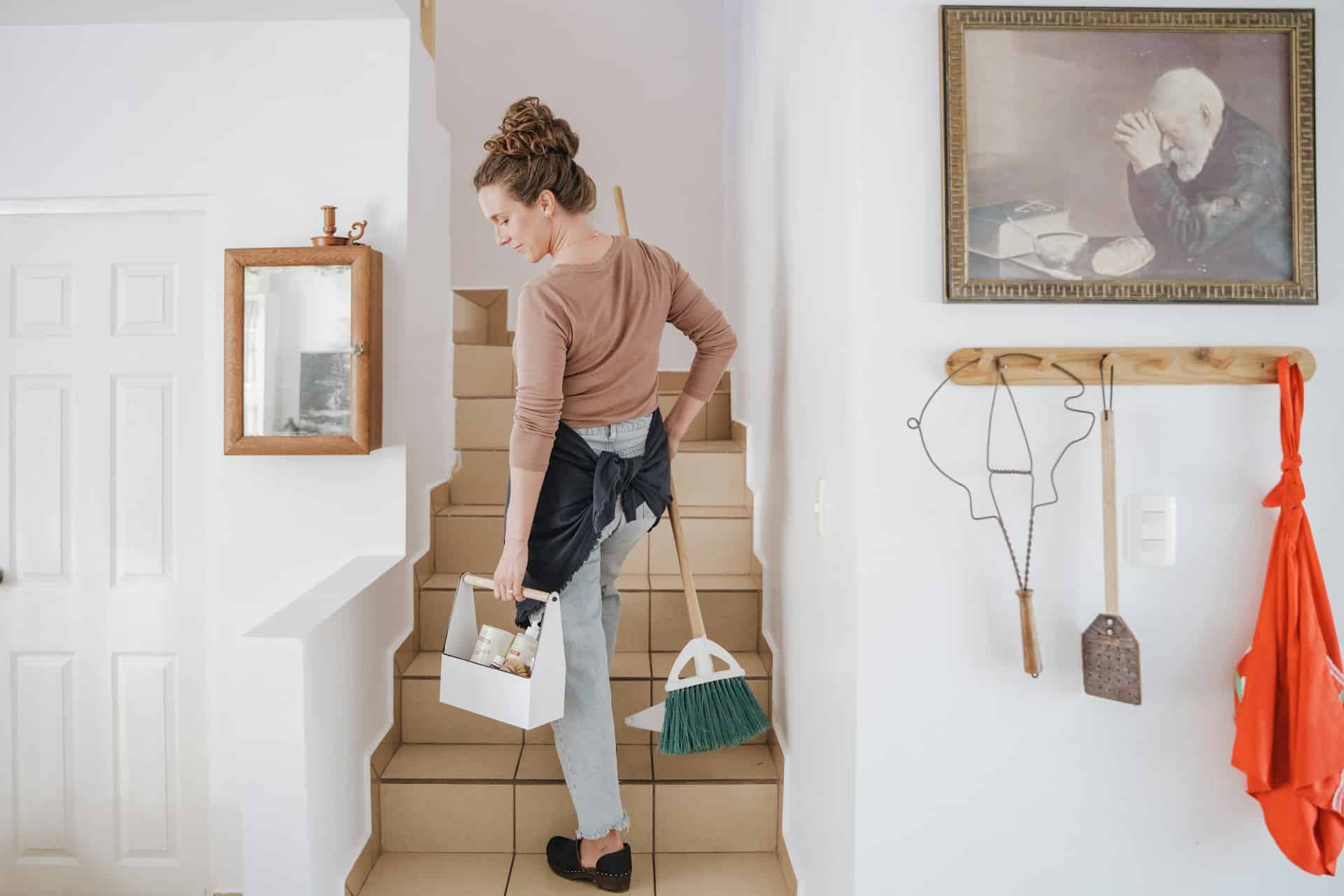
I have seen the same pattern play out again and again. Someone gets genuinely motivated to make their home more eco-friendly, buys a bunch of “better” products in one hit, reorganises half the cupboards… then two weeks later everything slides back.
Not because they do not care, but because most “eco routines” fail for three reasons:
So let’s do this the way it works in real homes: simple, repeatable, low-effort. A routine that survives busy weeks, low-energy days, and the “I cannot deal with this today” moments.
If you want to shop while you build the routine, I will point you to the products that support each step in our Eco Friendly Home cleaning products.
A simple eco home routine is a repeatable set of habits that reduces waste (less single-use, fewer impulse buys, fewer half-used bottles), harsh chemicals (especially strong solvents, heavy fragrances, and unnecessary product stacking), and decision fatigue (you do not “think” your way into doing it, you run it on autopilot)
Indoor air can hold higher concentrations of some pollutants than outdoor air. The EPA notes that levels of several organic pollutants can average 2 to 5 times higher indoors than outdoors, and certain activities can cause sharp spikes.
That is why a good eco routine is not only about “green products.” It is also about less product overload, better ventilation during use, and simple systems, so you are not spraying five things for one job.
This is the move that saves people the most money and stress.
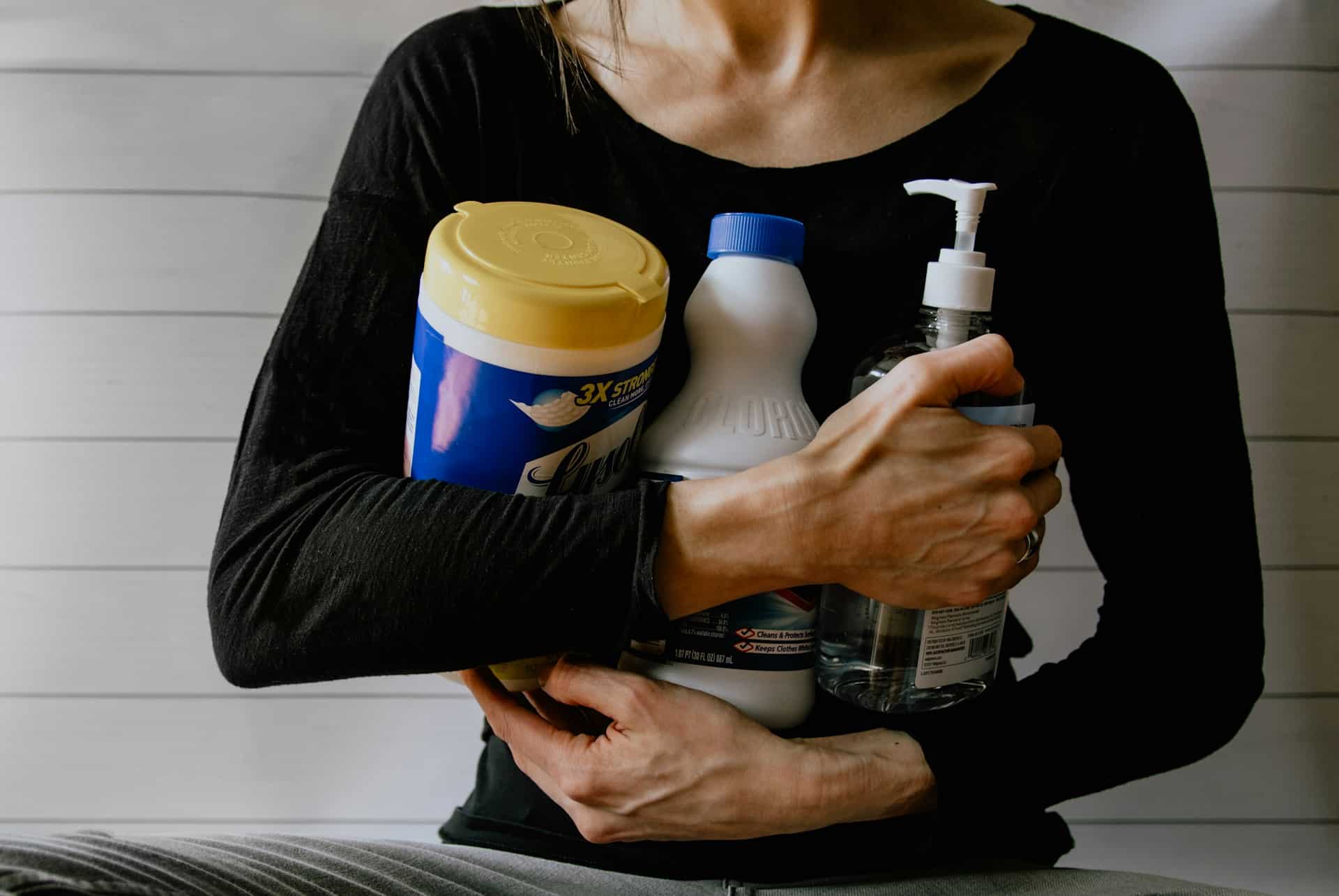
Most homes do not need 17 different cleaners. They need a small base kit that covers the majority of everyday mess, plus one or two “situational” items later (like a targeted descaler if you have hard water).
Your default for benches, tables, highchairs, quick wipe-downs. To keep it routine-proof, keep one bottle where the habit happens (kitchen bench area), and one cloth in the same spot. If I have to go searching, I will skip it.
This is not one product, it is a tiny system:
The kitchen routine fails when tools get gross. Your system needs a “dry + reset” step built in.
Laundry is where people overcomplicate quickly. Keep it boring:
My rule: If you cannot explain your laundry system in one sentence, it is too complex to stick.
Bathroom routines break when you have five different bottles. You want:
Quick win: Once you have this base kit, your shopping gets calmer. You stop buying “hope purchases” and start buying only what supports the routine.
Read Also: 6 Benefits of Natural Cleaning Products
I like behaviour design because it keeps this practical. The Fogg Behavior Model is a clean way to think about habit formation: a behaviour happens when Motivation + Ability + Prompt show up together. If your routine fails, one of those is missing.
So we will design your eco routine around ability (make it easier) and prompts (make it obvious).
| Routine moment | What you do (≤5 min) | Products that help |
|---|---|---|
| Daily anchor | Kitchen wipe + sink rinse | Multi-surface + cloth |
| Weekly reset | Refill + restock | Refills, sprays, tools |
| Monthly | Pantry/storage audit | Reusables, pouches |
This is where people usually go wrong. They try to change everything in every room.
We will do the opposite: one room per week, and only swaps that reduce friction.
Swap: reusable pouches/containers. This reduces single-use waste fast, but only if you can actually find and use them.
Habit: the “one drawer rule”. I want one single drawer (or one shelf) that contains your daily reusables:
Bathrooms become hard to manage when we create a product collection. The fastest way to make this routine stick is to reduce choices. I run a simple bathroom setup:
The “dedicated” part matters. If the cloth migrates to the kitchen, it disappears. If it disappears, the routine disappears.
Habit: the 60-second mirror/sink reset after brushing. This is one of the highest return habits I have ever used because it prevents the “big disgusting clean” that nobody wants to do.
Right after brushing:
Read Also: The Pros and Cons of Conventional Cleaning vs Eco-Friendly Cleaning Products
Swap: reduce packaging and overuse. The easiest eco win in laundry is often not a new product, it is measured dosing. People accidentally overpour, then wonder why residue builds up.
Habit: pair “laundry day + refill day”. When you tie these together, you avoid the midweek “we ran out” moment that breaks routines.
Start with ventilation and source control. Do not mask smells first. Smells are usually a signal: dust, stale fabrics, bins, or trapped moisture.
This matters because pollutant levels can spike during product use, and elevated concentrations can remain in the air afterward.
If you include aromatherapy, keep it modest and optional. I treat scent as the finishing touch, not the foundation.
Read Also: How Cleaning Products Affect Indoor Air Quality
Pick one 2-minute daily anchor (kitchen wipe or bathroom reset), then add one room-based swap per week. Consistency beats a full-house overhaul.
Start with a small base kit: one multi-surface cleaner, one dish system, one laundry product, one bathroom cleaner. Add more only after the habit feels automatic.
Daily: one 2-minute anchor. Weekly: one 20-minute reset day for refills, cloth/tool restock, and bins. Monthly: pantry/storage audit to keep reusables easy to use.
Prefer specific information over vague claims. Look for clear directions, transparent details, and credible third-party standards where available. If the claim sounds big but provides no detail, treat it as marketing first.
Use the one drawer rule for reusables and keep daily containers/pouches in one grab zone. Add a small buffer (the 1.5 rule) so you never run out and revert.
No. Essential oils are optional. A strong eco routine works with ventilation, simple cleaning habits, and reusable storage systems. Scent can be a small add-on.
Buy only items that replace something you already use weekly, and store them where the habit happens. If you cannot name the exact moment you will use it, skip it.
A daily kitchen wipe plus a reusable grab zone (one drawer rule) is one of the quickest wins because it reduces mess build-up, saves time, and cuts single-use choices.
If you want this to stick, we keep the routine small and repeatable. If you are not sure where to start, start with the base kit and build up once week one feels easy.
Browse our range of natural cleaning products today.


© 2026 My Health Food Shop (Formerly Rainbow Organic). All Rights Reserved



Leave a Reply
Your email address will not be published. Required fields are marked *