 Free Shipping* on all orders over $99
*Bulk goods have different shipping charges
Free Shipping* on all orders over $99
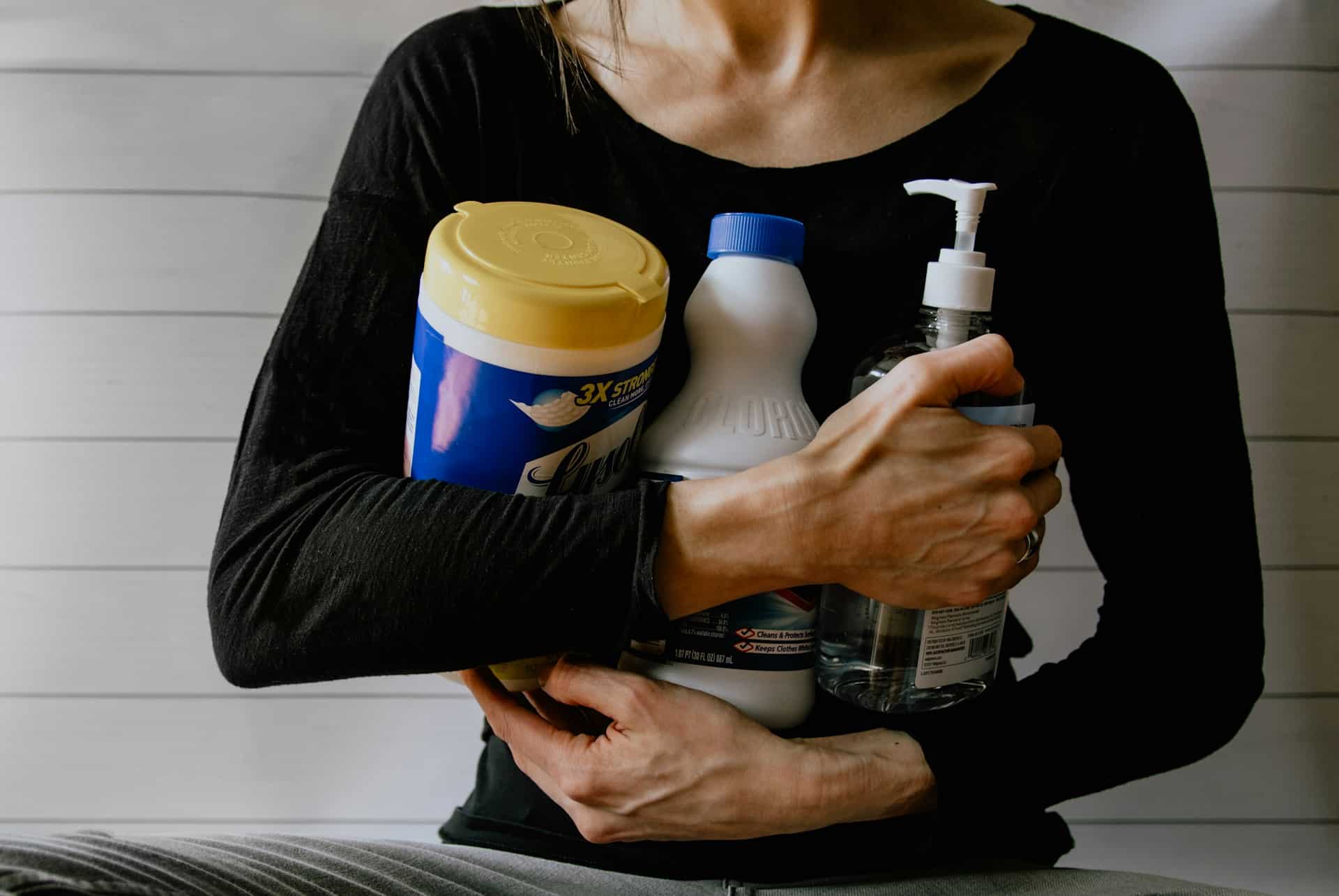
When I first started comparing “eco” cleaners with the conventional bottles under my own kitchen sink, I realised they were built on completely different assumptions about health, home, and environment. In this guide, I want to walk you through that same comparison, using both research and what we see day-to-day with customers who move over to more natural options.
When people ask me this question in one sentence, I say:
Conventional products are built for maximum speed and power; eco products are built to balance cleaning power with lower impact on your lungs, skin, water and soil.
To see what that really means, we need to look under the label.
Most conventional formulas follow the same basic recipe:
Surfactants to lift and remove dirt and grease.
Solvents and builders to help those surfactants work.
Disinfectants where germ kill is the main promise.
Fragrance and dyes so the product smells and looks “clean”.
In practical terms, that often includes:
When we talk about eco cleaners at My Health Food Shop, we are usually talking about formulas that follow a different design brief:
Here is a simple comparison of traditional cleaners and traditional cleaners that I often sketch out for families who are ready to shift most of their home across.
| Factor | Conventional cleaners | Eco friendly cleaners |
|---|---|---|
| Main ingredients | Synthetic surfactants, solvents, bleach, ammonia, quats, complex fragrance blends. | Plant-based surfactants, enzymes, organic acids, low-tox preservatives; simpler or no fragrance. |
| Indoor air (VOCs) | Higher VOC load; strong “chemical” or perfume odour that can linger after use. | Low-VOC by design; mild or no fragrance, less impact on people with asthma or fragrance sensitivity. |
| Impact on waterways | Non-biodegradable surfactants and phosphates can harm aquatic life and drive algal blooms. | Readily biodegradable surfactants, phosphate-free formulas and lower aquatic toxicity, especially when ecolabelled. |
| Skin irritation / respiratory problem | More eye, skin and airway irritation; higher risk for cleaners and people with asthma or allergies. | Gentler on skin and lungs overall, though some people still react to essential oils or natural fragrance. |
| Packaging & waste | More single-use plastic bottles and wipes. | More concentrates, refills and durable bottles or tools, less plastic per clean. |
| Typical price per use | Often cheap per litre but not always efficient per use. | Sometimes higher sticker price but concentrates often work out similar or cheaper over time—especially when you dilute correctly (something we see again and again with regular customers. |
Explore our range of eco-friendly home cleaning solutions for every room in the Eco Friendly Cleaning Products collection.
Read Also: How Cleaning Products Affect Indoor Air Quality And Health
Green and plant-based cleaners are designed to emit fewer hazardous VOCs and use milder surfactants and solvents, which improves indoor air quality and reduces exposure to harsh irritants.
From what we see in homes that switch:
These experiences match what indoor air and health agencies recommend: lower VOC products, especially unscented or low-scent cleaners, are preferred for indoor environments, schools and workplaces.
For someone with asthma in the family, I almost always suggest starting with fragrance-free or very lightly scented eco laundry liquids, and low-VOC, plant-based surface cleaners for the kitchen and bathroom
That alone can remove a sizeable chunk of the respiratory load without any loss of cleanliness.
However, “eco” is not a magic shield. There are two big issues with environmentally friendly cleaners I always flag:
1. Essential oils and natural fragrances
2. Greenwashing and vague labels
That is why I lean so heavily on independent certifications and full ingredient transparency. If a brand will not tell me what is inside the bottle, I do not let that bottle live under my sink.
Read Also: Natural Cleaning Product FAQs
When we talk about “green” or "sustainable" cleaning, most people think about natural ingredients inside the home. The environmental story starts once everything goes down the drain.
Traditional detergents often use surfactants and builders that do not break down quickly and, in some cases, accumulate in rivers and coastal waters. Phosphate-based builders in laundry and dish products can:
Eco cleaners respond to that in three ways:
1. Readily biodegradable surfactants
2. Phosphate-free formulas
3. Lower aquatic toxicity overall
As someone who has looked at both sides—a sparkling bench and a creek downstream—the difference between “rinse down the drain and forget” and “rinse and know it will break down quickly” is not abstract at all.
Read Also: Natural Laundry Detergents for Sensitive Skin
Eco friendly cleaning products are generally safer for your health, because they aim to reduce VOCs, harsh solvents and known toxic ingredients. That said, “eco” on a label does not automatically mean non-irritating or allergy-proof.
Eco friendly products can clean as effectively as conventional products for most everyday jobs, and some offer hospital-grade disinfection when they use approved active ingredients and are used exactly as directed. However, many “green” cleaners are designed for cleaning, not high-level disinfection.
A cleaner is genuinely biodegradable when its surfactants and key ingredients break down quickly into simpler, less harmful substances under normal wastewater conditions. A “biodegradable” logo by itself does not tell you how fast or how completely that happens.
Many eco friendly cleaners are safer for septic tanks and greywater than conventional products, but only the ones specifically labelled septic-safe or greywater-safe should go into those systems regularly. The key is low phosphorus, low salt, low boron and readily biodegradable surfactants.
When I compare eco friendly and conventional cleaning products, I do not see a “good vs bad” battle. I see two design philosophies: one built to win the fastest before-and-after photo at almost any hidden cost, and one built to keep your home clean while respecting your lungs, your water and your soil. Once you understand the trade-offs, it becomes much easier to choose what makes sense for your family instead of relying on slogans and scent.
If you are ready to start shifting your home, explore our eco friendly home cleaning products that work for every roomand keep one small, carefully handled bottle of “strong stuff” for the rare moments when you truly need it.


© 2026 My Health Food Shop (Formerly Rainbow Organic). All Rights Reserved



Leave a Reply
Your email address will not be published. Required fields are marked *