 Free Shipping* on all orders over $99


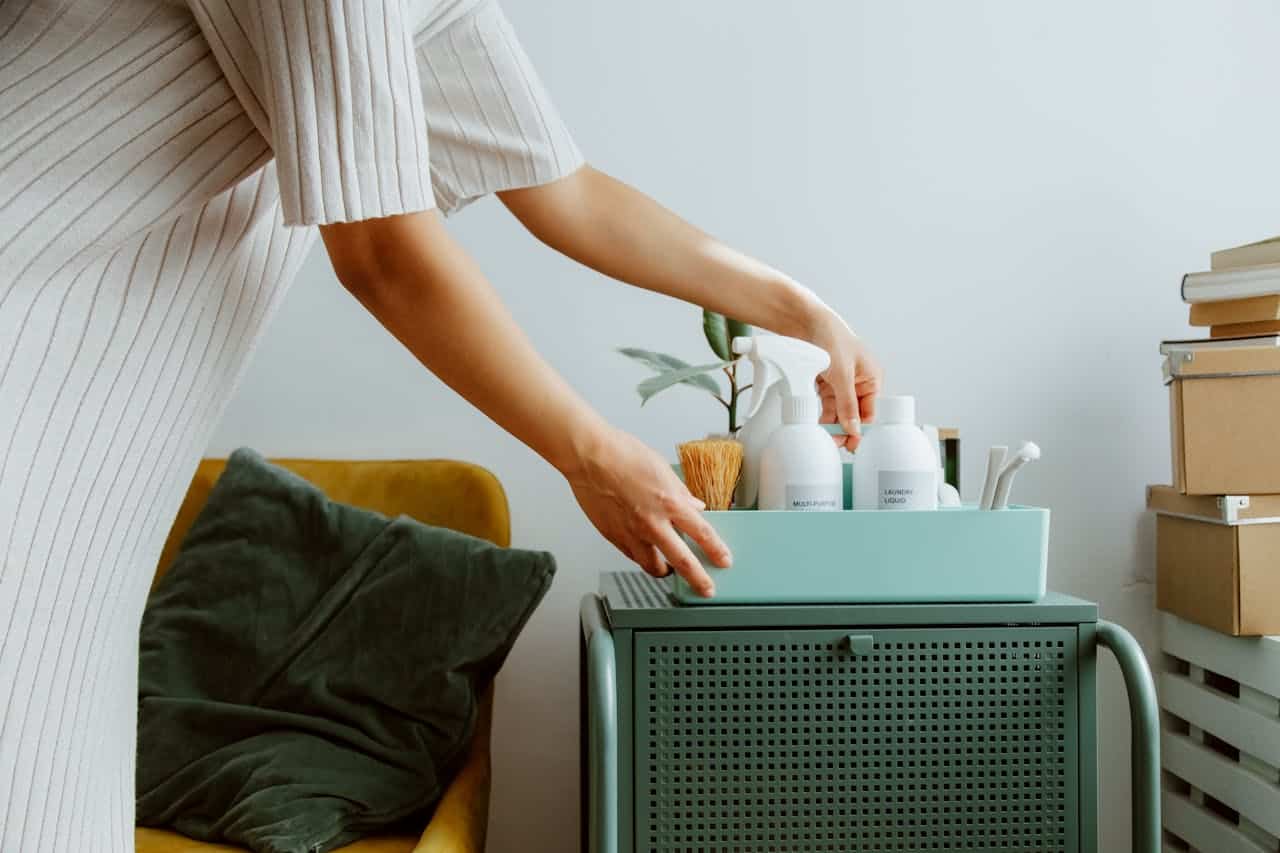
When I first switched to eco-friendly cleaning, I thought I was doing everything right. I was excited to ditch the toxic chemicals and make my home safer and healthier for my family. After all, eco-friendly products are often touted as the better choice for the planet, right?
But as I started learning more, I realized that even with the best intentions, I was still making mistakes that could be reducing the effectiveness of my cleaning routine—and possibly even harming the environment. Eco-friendly cleaning is often seen as a healthier, safer, and more sustainable option. However, there are common pitfalls that many of us fall into that could hinder our green efforts.
In this blog, I’m going to share five eco-friendly cleaning mistakes you’re probably making (I made them too!)—and the simple fixes you can implement for a cleaner, healthier home. These aren’t just surface-level mistakes, either.
Common Eco Cleaning Mistake You Should Avoid
Mistake 1: Using Too Much Eco-Friendly Cleaner
It seems like common sense, right? If a little cleaner works, then more must be better. But here’s the thing: when it comes to eco-friendly cleaners, more doesn’t always mean better. In fact, most of these products are concentrated, and using too much can actually do more harm than good.
Why It Happens
When you use more cleaner than recommended, you’re likely expecting it to perform better, but the opposite can happen. Eco-friendly products tend to be more concentrated than their chemical-laden counterparts, which means they need less product to get the same cleaning power. Overuse can lead to streaks, residue, and a less-than-satisfactory clean.
The Consequences
You might be surprised to learn that using more cleaner doesn’t give you a better clean. Instead, you could end up with:
- Wasted product: Eco-friendly cleaners are often more expensive, so overusing them is counterproductive.
- Streaks and residue: Excess cleaner can leave behind a sticky film on surfaces, which isn’t just unsightly; it can also attract more dirt.
- Ineffective cleaning: Too much product can even make your cleaning less effective, as it doesn’t have time to break down grime properly.
The Solution
To make your eco-friendly cleaners last longer and work better, always follow the recommended amount on the label. And when possible, dilute concentrated cleaners with water to stretch them further. You’ll be surprised how much more effective this can be—and your products will last longer.
Check out our Eco-Friendly Cleaners for concentrated all-purpose cleaners that require less product to work effectively.
Mistake 2: Overlooking Ingredients in “Eco” Products
Not all eco-friendly products are created equally. Sure, the packaging might say “eco,” but that doesn’t always mean the product is 100% safe or free of harmful chemicals. It’s easy to assume that all so-called “green” cleaners are non-toxic, but in reality, many products still contain hidden ingredients that aren’t as eco-friendly as you think.
Why It Happens
Many companies advertise their products as “eco-friendly” or “natural,” but that doesn’t always mean they’re free from harmful substances. Words like “fragrance” or “green” can be used as marketing buzzwords, which can mislead us into thinking the product is safe when it might still contain potentially harmful chemicals.
The Consequences
- Exposure to harsh chemicals: Ingredients like phthalates, parabens, and synthetic fragrances can still sneak into “eco-friendly” products. Over time, these can contribute to allergies, asthma, or hormonal disruptions.
- Undermining your efforts: If you’re making the effort to go eco-friendly, it’s frustrating to realize that some of the cleaners you’re using still harm the environment or your health.
The Solution
When shopping for eco-friendly cleaners, always check the ingredients list. Look for products with trusted certifications like Green Seal, GECA (Good Environmental Choice Australia), or EcoLogo. These certifications ensure that the products meet rigorous environmental and health standards. If you’re unsure, always go for products that provide full transparency on their ingredients.
Mistake 3: Relying Too Much on Essential Oils
I love the smell of essential oils—who doesn’t? They’re great for creating a fresh atmosphere, but they shouldn’t be the main ingredient in your cleaning products. Essential oils can be an excellent supplement for fragrance and even some cleaning properties, but they shouldn’t replace actual cleaning agents.
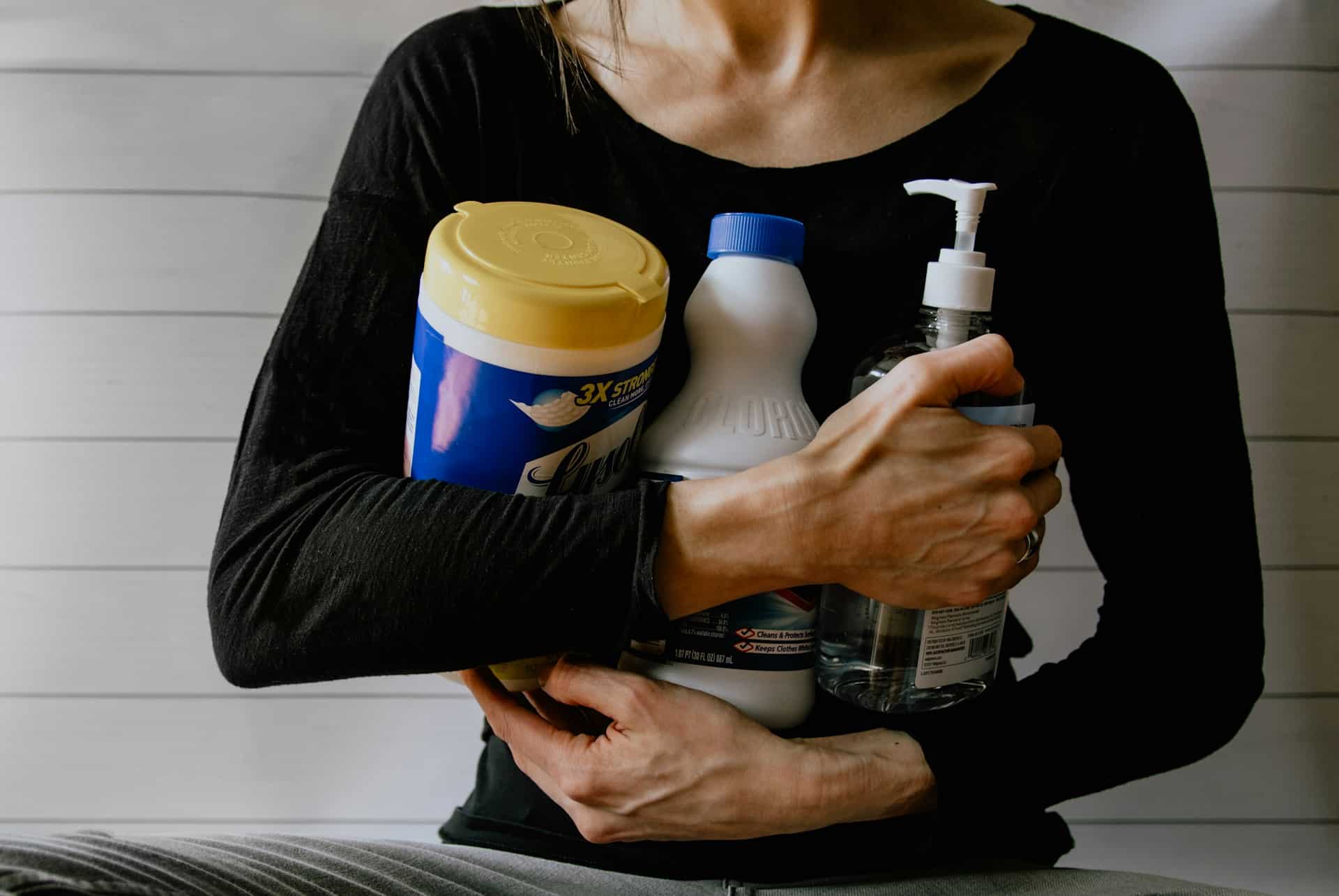
Why It Happens
Essential oils are often marketed as natural, and we tend to overestimate their cleaning power because of their pleasant aroma. While essential oils like tea tree and lavender have antibacterial properties, they can’t replace the power of a true all-purpose cleaner.
The Consequences
- Ineffective cleaning: Essential oils alone can’t do much for heavy-duty cleaning like grease, grime, or soap scum.
- Improper dilution: If you’re using them in too high a concentration, you could irritate your skin or cause allergic reactions.
- Waste of money: Since essential oils are costly, relying on them as your primary cleaner can get expensive without delivering the results you expect.
The Solution
Use essential oils as a supplement, not as the main ingredient, in your cleaning solutions. Stick to proven eco-friendly cleaners for actual cleaning power, and add a few drops of your favorite essential oils to enhance the fragrance.
Explore our Essential Oils for safe and effective oils that complement your cleaning routine.
Mistake 4: Not Properly Storing Eco-Friendly Cleaners
Eco-friendly cleaners tend to be more sensitive to environmental factors like light and heat. If not stored correctly, these cleaners can lose their effectiveness. You might not realize it, but your cleaning products may be going bad just because they’re not in the right place.
Why It Happens
Many of us store cleaners under the sink or in bathroom cabinets where they’re exposed to heat, humidity, or direct sunlight. This can degrade the ingredients and affect the product’s overall performance.
The Consequences
- Loss of effectiveness: Cleaners stored in warm, humid environments can break down and lose their cleaning power over time.
- Shorter shelf life: Improper storage can significantly reduce the shelf life of your eco-friendly cleaners, forcing you to replace them sooner.
The Solution
Store your eco-friendly cleaners in cool, dry places, away from direct sunlight. Keep them in a cupboard or pantry where the temperature remains steady and out of the humidity zone. Proper storage will keep your cleaners effective for longer and reduce waste.
Mistake 5: Ignoring Sustainability in Packaging
You may have switched to eco-friendly cleaners, but what about the packaging? Even the best eco-friendly cleaner can contribute to waste if it’s packaged in non-sustainable materials. It’s easy to overlook packaging, but it’s just as important as the product itself when it comes to reducing your environmental impact.
Why It Happens
In the rush to make better cleaning choices, we might forget about the packaging. Many eco-friendly cleaning products still come in plastic containers, which contribute to landfill waste and plastic pollution.
The Consequences
- Plastic waste: Even though the product inside might be good for the environment, plastic packaging can take centuries to break down.
- Wasteful disposal: Improper disposal of non-recyclable packaging can lead to unnecessary landfill buildup.
The Solution
Look for cleaners that come in refillable, recyclable, or biodegradable packaging. Choosing products with sustainable packaging ensures that your efforts to live eco-friendly don’t end with your cleaner—it extends to how the product is disposed of.
Conclusion
Avoiding these common eco-friendly cleaning mistakes doesn’t just help you save money—it also makes your cleaning routine more effective, more sustainable, and healthier for your home. By using the right amount of cleaner, checking ingredients, storing products properly, and choosing eco-friendly packaging, you can clean greener and smarter.
Ready to make your home cleaner and more sustainable? Check out our Eco-Friendly Home products for the best products that will support your green cleaning efforts.


