 Free Shipping* on all orders over $99
*Bulk goods have different shipping charges
Free Shipping* on all orders over $99
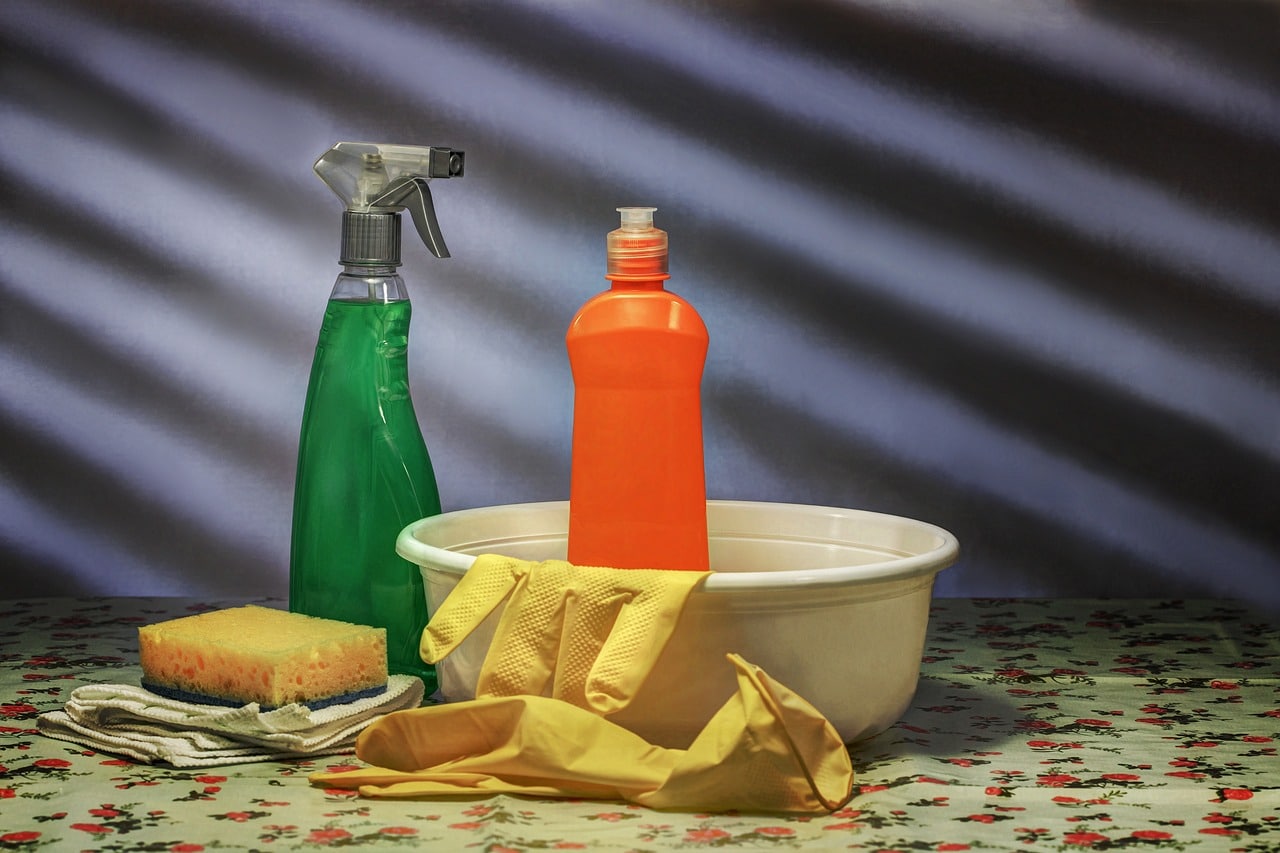
When I look at what actually happens in a home on “cleaning day”, the pattern is always the same: as soon as we spray or pour conventional cleaners, they release volatile organic compounds (VOCs) and other chemicals into the air, which push indoor pollution levels well above what we normally breathe outside.
In many studies, common VOCs are measured 2–5 times higher indoors than outdoors, and during heavy use of strong products, the peaks can go much higher and linger for hours after we finish wiping the benchtops. That chemical fog is not just an abstract number on a graph; it shows up as stinging eyes, scratchy throat, tight chest, headaches and, for some people, full asthma flare ups.
Over years of regular exposure, especially in people who clean a lot, children and anyone with asthma or sensitive lungs, that repeated irritation links with higher risks of asthma, reduced lung function and possibly chronic respiratory disease.
When I walk people through their cleaning routine step by step, the biggest “aha” moment is usually "you do not have to clean less to breathe better; you have to clean differently."
When I talk about “conventional cleaners”, I am not pointing at some exotic industrial solvent. I mean the everyday products most of us have under the kitchen sink:
These are the bottles you toss into a trolley at the supermarket without thinking. They are designed to cut grease, kill germs, and leave a strong “clean” smell, and they usually do a good job on visible dirt.
Conventional cleaners are not the same as:
From a health and indoor air point of view, the dividing line is that "conventional cleaners prioritise power and perfume; low-tox and eco cleaners prioritise lower emissions and simpler formulas."
When we choose products for an eco-friendly cleaning products range, I pay more attention to what I do not see on the label (certain solvents, strong synthetic fragrances) than what the marketing font shouts on the front.
If you strip away the branding, many conventional cleaners rely on similar families of chemicals. The ones that matter most for indoor air fall into three broad groups.
These are the “working” molecules that help dissolve grease, lift stains and keep the product evenly mixed.
Common examples include:
These solvents evaporate easily, which is helpful for streak-free glass but less helpful for the air you breathe.
Most people recognise a brand more by smell than by logo. That smell comes from complex fragrance blends marketed simply as “fragrance” or “parfum” on the label. Those blends can contain dozens of individual VOCs, many of which contribute to indoor pollution and can trigger headaches or respiratory irritation in sensitive people.
To kill germs fast, conventional products often lean on:
These ingredients do a strong job against microbes but are also respiratory irritants, especially as aerosols, and they can react with other chemicals in the air to create new byproducts.
From an indoor air perspective, the specific brand matters less than these ingredient families. Once you know the patterns, you start reading bottles very differently.
In technical terms, VOCs (volatile organic compounds) are organic chemicals that evaporate easily at room temperature and enter the air as gases.
In human terms: whenever you smell that sharp “cleaning aisle” odour, you are breathing a mix of VOCs. They come off wet surfaces, freshly sprayed mist, and even closed bottles sitting in a cupboard. Some VOCs are relatively harmless at low levels; others are irritants or have longer-term health concerns attached.
Every time we clean with conventional products, we create a short, intense “experiment” in our own home:
You spray a multipurpose cleaner across the kitchen bench.
A fine mist of liquid hits the surface, but a lot of it hangs in the air as tiny droplets and vapour.
The VOCs in that mist spread through the room and slowly disperse to the rest of the house.
EPA’s Total Exposure Assessment Methodology (TEAM) studies found that levels of a dozen common VOCs in homes averaged 2–5 times higher indoors than outdoors, regardless of whether people lived in rural or urban areas. During some activities – like paint stripping or heavy product use – levels jumped to as much as 1,000 times outdoor background, and stayed elevated for several hours after the activity ended.
More recent work that tracks hundreds of VOCs through actual home cleaning sessions shows the same pattern: after a typical cleaning event, around 60% of measured VOCs and 80% of semi-volatile compounds rise noticeably, then decline slowly as they are ventilated or absorbed by surfaces.
On top of that, there is a second layer we do not see. Terpenes such as limonene (the citrus smell in many “fresh” products) can react with the small amount of ozone that leaks indoors and form secondary pollutants — including fine particles and oxidised VOCs — that add extra irritation potential to the air.
So when you feel the air change during cleaning, you are noticing both:
When I break this down for people, I like to put a few of the common VOCs into a simple table. It is not meant to scare, but to connect names you might see in safety data sheets with real-world effects.
| VOC | Common source product | Short-term effects (at higher exposure) | Long-term concerns* |
|---|---|---|---|
| 2-butoxyethanol | Glass and multipurpose cleaners | Eye and throat irritation, coughing, headaches, nausea AICIS+2ATSDR+2 | Blood effects and organ stress in animal studies; suspected human carcinogen at high doses Chemical Insights+1 |
| Limonene | Citrus-scented cleaners, air fresheners | Strong odour, mild irritation in some people RSC Publishing+1 | Forms secondary organic aerosols and oxidised VOCs when reacting with ozone; adds to particle pollution indoors ScienceDirect+2Environmental Health Perspectives+2 |
| Isopropanol | Disinfectant sprays and wipes | Dizziness, headache, eye and throat irritation at high fumes NJ.gov+2Lab Alley+2 | Central nervous system depression and liver/kidney stress with repeated high exposure NCBI+2boldstepsbh.com+2 |
*These concerns refer to higher or chronic exposures often studied in occupational or accidental contexts; normal home use is typically lower, but poor ventilation and frequent use can move you along that spectrum.
The point of this table is not that you need to memorise chemical names. It is that “glass cleaner smell” is not just a smell. It is a mix of active chemicals with clear, documented effects above certain levels.
Laboratory work is useful, but I always ask, “What happens in an actual home when someone cleans the kitchen?”
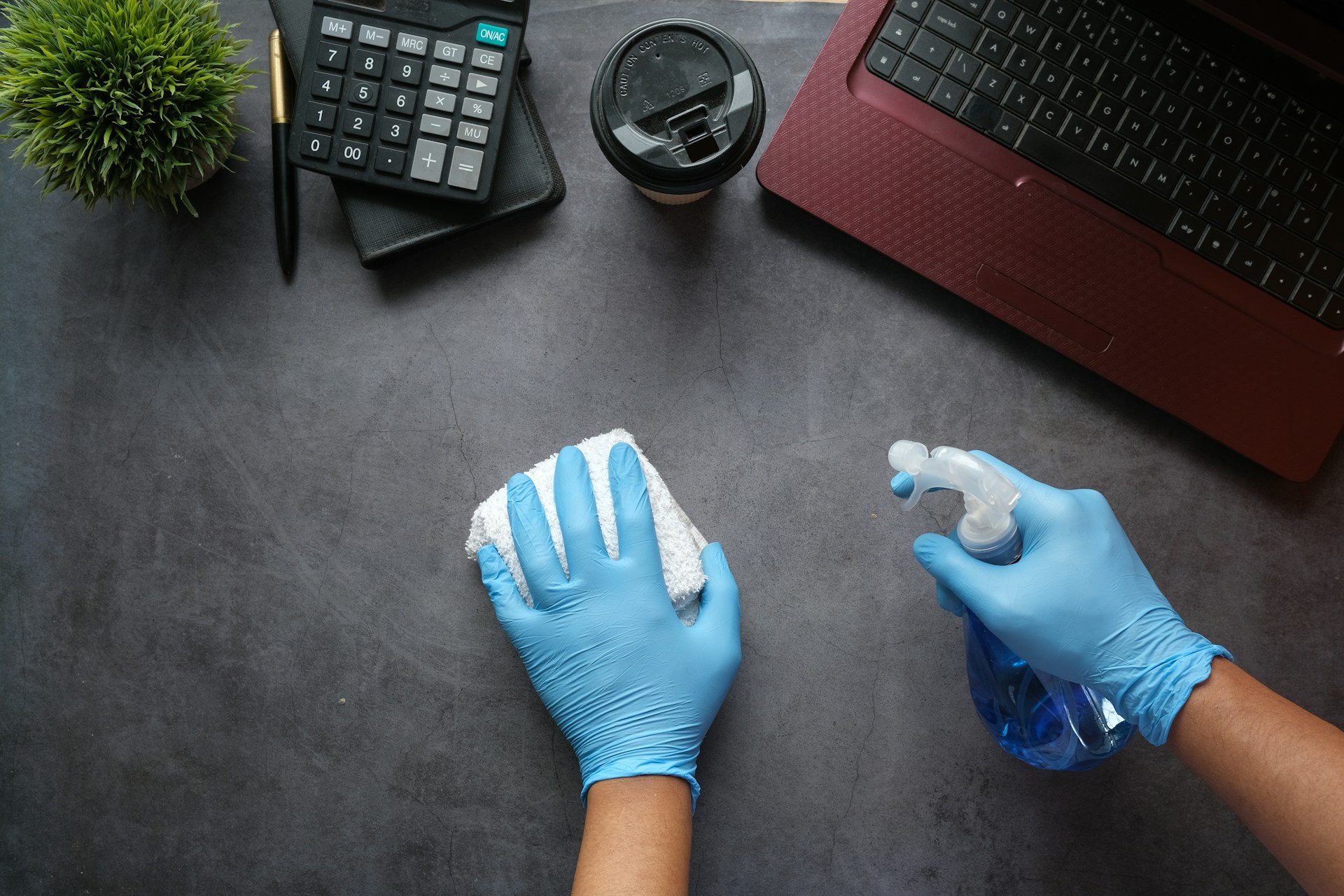
Recent field studies in apartments, offices and professionally cleaned homes have done exactly that: measure VOCs and particles before, during and after real cleaning sessions.
The pattern is consistent:
1. Before cleaning
2. During active cleaning
3. After cleaning stops
In poorly ventilated rooms, those elevated levels can persist much longer, especially for heavier semi-volatile compounds that stick to surfaces and dust, then re-enter the air slowly.
In one 2025 study, more than 200 VOCs and 52 semi-volatiles were tracked during professional home cleaning; about 60% of VOCs and 80% of semi-volatiles rose after cleaning and contributed to the occupants’ overall exposure.
From a practical point of view, this means your body “remembers” cleaning day as a several-hour exposure event, not a quick five-minute spray-and-wipe task.
Kitchens and bathrooms show the highest peaks because:
If you already notice you need to “escape” a room while cleaning, the instruments would almost certainly agree with your nose.
The part that still feels counterintuitive, even to me after years of reading this research, is that you can add pollution even while your VOC levels go down.
Here is what happens:
Studies that model and measure these reactions show:
This is one reason why “natural orange smell” is not automatically safer. Terpenes are “natural”, but indoors, without enough ventilation, they can drive extra particle formation that your lungs still have to handle.
In my own decision-making, this is why I favour:
You cut out not only the original VOC hit but also the “chemical aftershocks” that happen in the air later.
When I sit with families and walk through their week, I do not start with VOC graphs. I start with one question:
“How do you feel on cleaning day?”
If conventional cleaners affect your indoor air, the pattern often looks like this:
Once you notice the pattern, the next step is to look at your home layout through an indoor-air lens. When I walk people through this, we focus on three quick checks. Ask yourself:
Guidance for healthy indoor air quality, including occupational standards, comes back to the same idea: fresh air dilutes pollutants. Open windows and doors when you can, and use bathroom and kitchen exhaust fans during and after cleaning to move used air out and fresh air in.
Next, I ask people to open the cupboards where they keep their products. We are not judging your tidiness; we are “reading” the air.
Warning signs:
After we talk about problems, the next question I always get is, “So which products do you actually trust?”
The honest answer: the words on the front label mean less than people think.
So I focus on three more concrete signals instead:
1. Fragrance-free
2. Low VOC
3. Third-party certified eco products
When I say low VOC eco friendly home cleaning products, I usually mean products that tick at least two of those boxes: fragrance-free and low VOC, with bonus points for third-party certification and clear ingredient disclosure.
You can capture the big picture in one simple comparison.
| Feature | Conventional multipurpose spray | Eco / low VOC cleaner | Benefit for indoor air |
|---|---|---|---|
| Fragrance | Synthetic fragrance blend, strong scent fills the room | Unscented or very low essential oil level | Fewer VOCs and fewer odour-related headaches and reactions |
| VOC content | Higher; relies on stronger solvents | Lower; uses milder or fewer VOC solvents | Reduced VOC spikes during and after cleaning |
| Asthma risk (overall pattern) | Higher, especially with sprays and scented disinfectants | Lower, especially fragrance-free, low VOC products | Fewer asthma-like symptoms and triggers in sensitive people |
I still remind people that “eco” does not mean “eat it with a spoon”, but as far as indoor air goes, the direction of improvement is clear.
Conventional cleaners change the air in your home, not only the shine on your surfaces. VOCs and reactive chemicals in those products push indoor pollution well above outdoor levels during and after cleaning. The good news is that you do not need a laboratory or a perfect house to fix this. Small product swaps, better ventilation, smarter use, and thoughtful storage protect your family’s lungs far more than one heroic “deep clean” ever will.
At My Health Food Shop, we focus on sustainable home cleaning products that support the shift to low-tox cleaners for kitchens, bathrooms, and laundry.


© 2026 My Health Food Shop (Formerly Rainbow Organic). All Rights Reserved



Leave a Reply
Your email address will not be published. Required fields are marked *